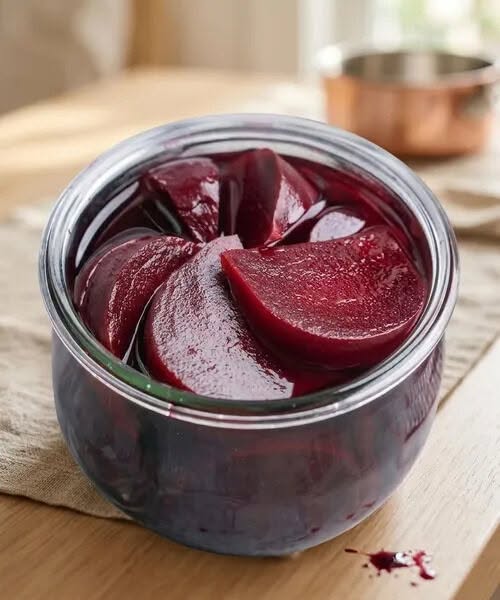
What Happens to Your Body When You Eat Beets Regularly? The Remarkable Health Benefits of This Colorful Vegetable
Those deep-red beets sitting in your kitchen may offer much more than a splash of color on your dinner plate. Packed with natural nitrates, dietary fiber, antioxidants, vitamins, and essential minerals, these humble root vegetables can support several important functions throughout the body, from healthy circulation and digestion to cardiovascular health and physical performance.
Although beets have been enjoyed for generations, they have attracted increasing attention from nutrition researchers because of their impressive nutritional composition.
One of their most fascinating properties is their naturally occurring nitrate content. After consuming beets, the body can convert these nitrates into nitric oxide, a compound that helps blood vessels relax and widen. This allows blood to circulate more easily and may contribute to maintaining healthy blood pressure.
Improved circulation can also help deliver oxygen more efficiently throughout the body, an especially important process during physical activity.
For athletes and physically active individuals, this is one reason beetroot juice has become a popular subject of scientific research. Studies have examined whether beetroot products can improve endurance, exercise performance, and the body’s ability to use oxygen during physical exertion.
But better circulation is only one part of the story.
The nutrients found in beets may also support digestion, help protect cells against oxidative stress, and contribute to several essential processes that keep the body functioning properly.
1. Beets May Help Maintain Healthy Blood Pressure and Improve Circulation
One of the most frequently discussed benefits of eating beets is their potential contribution to cardiovascular health.
Their naturally high nitrate content makes them particularly interesting to researchers investigating blood pressure and circulation.
Once consumed, dietary nitrates pass through several processes in the body that eventually lead to the production of nitric oxide. This molecule helps relax the muscles surrounding blood vessels, allowing them to widen and making blood flow more freely.
This process, known as vasodilation, may contribute to maintaining healthier blood pressure levels.
For anyone looking to support cardiovascular health through nutrition, beets can be a valuable addition to a balanced eating plan.
However, their effects should not be overstated. Eating beets does not guarantee lower blood pressure, and they should never replace medication prescribed to manage hypertension.
The potential benefits also depend on individual health, overall dietary habits, and the quantity of nitrates consumed.
2. They May Help Improve Exercise Performance and Endurance
If you enjoy running, cycling, working out, or participating in other physically demanding activities, beets offer another interesting nutritional advantage.
Because dietary nitrates can increase nitric oxide production, they may help improve blood flow and the efficiency with which muscles use oxygen during exercise.
This is one reason beetroot juice has become increasingly popular among athletes and fitness enthusiasts.
Some scientific studies suggest that consuming nitrate-rich beetroot products may help certain individuals exercise for longer periods or improve aspects of endurance performance.
These potential effects are particularly interesting for activities requiring sustained physical effort.
Nevertheless, results are not identical for everyone. Fitness levels, exercise intensity, individual physiology, and dietary habits can all influence how someone responds.
Beets cannot replace proper training, hydration, recovery, or balanced nutrition, but their natural properties make them an interesting food for supporting an active lifestyle.
3. Their Fiber Content Helps Support Healthy Digestion
Another excellent reason to include beets in your diet is their dietary fiber content.
Fiber plays an essential role in maintaining digestive health by supporting regular bowel movements and helping reduce the risk of constipation.
When you consume fiber-rich foods such as beets, you also provide nourishment for beneficial bacteria living in your digestive tract.
These microorganisms make up the gut microbiome, which contributes to digestive health and several other important bodily functions.
Dietary fiber can also slow the absorption of carbohydrates, helping moderate changes in blood sugar after meals.
This makes beets a useful addition to balanced meals, especially when combined with whole grains, protein sources, and other vegetables.
Whether roasted, grated raw, or served in a fresh salad, beets offer an easy way to increase your daily fiber intake.
4. Beets Provide Antioxidants That Help Protect Your Cells
The deep red and purple colors of beets are more than just visually appealing.
Much of their distinctive pigmentation comes from natural plant compounds called betalains, which possess antioxidant properties.
Antioxidants help protect cells against oxidative stress, a condition that occurs when potentially damaging molecules known as free radicals become unbalanced with the body’s natural antioxidant defenses.
Oxidative stress is involved in several biological processes and has been studied in connection with aging and various chronic health conditions.
By providing antioxidant compounds, beets can contribute to a nutritious diet that supports the body’s natural protective systems.
Betalains have also attracted scientific attention because of their potential anti-inflammatory effects.
However, promising laboratory findings should not be confused with proven health outcomes in humans. Eating beets does not guarantee protection against disease, but their antioxidant content makes them a valuable part of a varied diet.
5. They Supply Folate for Healthy Cell Development
Beets are also a natural source of folate, an essential B vitamin involved in several important processes throughout the body.
Folate supports DNA production, normal cell division, and the formation of healthy red blood cells.
It is especially important during periods of rapid growth and development, including pregnancy, when the body’s need for this nutrient increases.
Getting enough folate through food helps maintain normal cellular functions and supports overall health.
Other nutritious sources include leafy green vegetables, legumes, and fortified foods.
Adding beets alongside these foods is another simple way to increase the variety of nutrients in your everyday diet.
6. Potassium Supports Healthy Muscles and Nerve Function
Another valuable nutrient found in beets is potassium.
This essential mineral helps regulate fluid balance and supports the normal functioning of muscles and nerves.
Potassium also contributes to maintaining a regular heartbeat and healthy blood pressure.
Because the body depends on potassium for so many important processes, obtaining sufficient amounts through food is an important part of maintaining overall health.
Beets can contribute to your daily potassium intake, although many other foods provide this mineral as well.
Potatoes, bananas, beans, leafy greens, and various fruits and vegetables are also excellent dietary sources.
Eating a variety of potassium-rich foods is generally more beneficial than relying on a single vegetable.
7. Manganese Helps Support Metabolism and Bone Health
Although it receives less attention than some other minerals, manganese is another beneficial nutrient present in beets.
This mineral contributes to several essential bodily processes, including metabolism, antioxidant enzyme activity, and the development and maintenance of healthy bones.
Manganese also helps the body process certain nutrients and maintain normal cellular functions.
While beets are not an exceptionally concentrated source of this mineral, they can contribute to overall manganese intake when included as part of a varied and balanced diet.
It is another example of how everyday vegetables can provide multiple nutrients that work together to support the body.
8. Better Circulation May Also Benefit Brain Function
The potential benefits of beets may extend beyond cardiovascular health and physical performance.
Researchers have also investigated whether dietary nitrates and the resulting production of nitric oxide could influence blood flow to the brain.
The brain requires a continuous supply of oxygen and nutrients to function properly. Healthy circulation is therefore an important part of maintaining normal brain activity.
Some studies suggest that nitrate-rich foods may influence certain aspects of cerebral blood flow and cognitive performance.
However, the evidence is still developing, and additional research is necessary to determine whether regularly eating beets produces meaningful improvements in memory, concentration, or long-term cognitive health.
It would be misleading to describe beets as a food that prevents memory loss or guarantees better brain function.
Nevertheless, their potential influence on circulation makes them an interesting subject for ongoing nutritional research.
Are There Any Risks Associated With Eating Beets Regularly?
For most healthy adults, beets are a nutritious food that can be enjoyed regularly as part of a balanced diet.
However, there are a few considerations worth knowing, particularly if you have certain medical conditions.
One important consideration is their oxalate content.
Beets contain naturally occurring oxalates, compounds that can contribute to the formation of calcium oxalate kidney stones in people who are susceptible to them.
Individuals with a history of calcium oxalate kidney stones may benefit from personalized dietary advice before significantly increasing their consumption of beets or concentrated beetroot products.
Another unusual effect is that beets can temporarily change the color of your urine or stool.
This phenomenon is known as beeturia and can produce reddish or pinkish discoloration after eating beets.
Although it may initially look alarming, it is generally harmless and does not necessarily indicate a medical problem.
However, unexplained blood-like discoloration should not automatically be attributed to beet consumption. Persistent discoloration or other concerning symptoms should be discussed with a healthcare professional.
People taking medication for high blood pressure should also exercise caution with concentrated beetroot products.
Because dietary nitrates may contribute to lowering blood pressure, consuming large quantities of beetroot juice or supplements alongside certain medications could potentially increase their effects.
If you take blood pressure medication or have an underlying health condition, consult your healthcare professional before introducing concentrated beetroot products into your daily routine.
Simple Ways to Include More Beets in Your Everyday Diet
One of the best things about beets is their versatility.
You do not need expensive supplements, complicated recipes, or dramatic changes to your eating habits to enjoy their nutritional benefits.
There are several easy ways to incorporate them into familiar meals.
- Roasted beets: Baking beets brings out their natural sweetness and creates a delicious side dish. They pair particularly well with olive oil, herbs, and other roasted vegetables.
- Fresh beetroot salads: Grated raw beets add color, texture, and a distinctive earthy flavor to salads. Combine them with leafy greens, carrots, and other vegetables.
- Beetroot smoothies: Cooked or appropriately prepared raw beets can be blended with fruits and other ingredients to create a colorful and nutritious smoothie.
- Beetroot soup: Cooked beets can be blended into soups, providing a naturally rich color and distinctive flavor.
- Simple vegetable sides: Serving cooked beets alongside your regular meals is an easy way to increase your vegetable intake.
There is no requirement to eat beets every single day to benefit from their nutritional properties.
What matters most is maintaining healthy eating habits and including a wide variety of nutritious foods.
The Bottom Line: A Small Vegetable With Impressive Nutritional Benefits
Despite growing awareness of healthy eating, many adults still struggle to consume the recommended amounts of vegetables.
For anyone looking to improve their diet, adding familiar and versatile vegetables such as beets can be a practical place to begin.
Their natural nitrates may support healthy circulation, their fiber contributes to digestive health, and their antioxidants, folate, potassium, and manganese provide several additional nutritional benefits.
However, beets should not be considered a miracle food.
They cannot replace prescribed medication, guarantee lower blood pressure, prevent disease, or promise improved athletic performance.
The most effective approach to long-term health remains a varied and balanced diet that includes vegetables, fruits, whole grains, and appropriate sources of protein, alongside regular physical activity and other healthy lifestyle habits.
You do not need to transform your entire lifestyle or eat the same food every day to make meaningful improvements.
Sometimes, supporting your health can begin with something as simple as adding a colorful serving of beets to your next meal.